


Overview
The Other Side of Me translates into dance the true-life story of a young Aboriginal man, born in the 1960s in the Northern Territory, adopted by a white English family and raised in the United Kingdom. Drawing on a collection of personal letters and poems, it offers insights into the mind of a man re-evaluating his life and trying to come to terms with his First Nations Australian origins from the other side of the world.
Choreographed by industry leader and Larrakia man Gary Lang, this international, cross-cultural collaboration with Northumbria University (UK) communicates a story of the Stolen Generations’ trauma and poses questions about relationships between country of origin, identity, adoption, the criminal justice system and psychological health.
The Other Side of Me Digital Program
The story is based on actual events. However, names, incidents and timelines have been changed for dramatic purposes. All characters depicted in the production are composites or fictitious. Any similarity to the original story, or of fictitious characters to an actual person, living or dead, is coincidental and unintentional.
Gallery
-
The Other Side of MeImage credits: Cheeky Chandler & Alex Abbot, photograph by Paz Tassone. 
-
The Other Side of MeImage credits: Cheeky Chandler & Alex Abbot, photograph by Paz Tassone. 
-
The Other Side of MeImage credits: Cheeky Chandler & Alex Abbot, photograph by Paz Tassone. 
-
The Other Side of MeImage credits: Cheeky Chandler & Alex Abbot, photograph by Paz Tassone. 
-
The Other Side of MeImage credits: Cheeky Chandler & Alex Abbot, photograph by Paz Tassone. 
Creatives
- Co-Creator, Choreographer, Director Gary Lang, Larrakia
- Cultural Consultant, Songman Banula Marika, Yolŋu
- Co-Creator, Dramaturg, Writer Laura Fish
- Co-Creator, Dramaturg Liz Pavey
- Cultural Consultant Josephine Crawshaw, Kalkarindji
- Cultural Consultant Jesse Norris, Torres Strait Island descendent
- Voice Artist Janet Munyarryun, Yolŋu
- Sound Designer Arian Pearson, Yolŋu
- Rehearsal Director Noelle Shader
- Performer Alexander Abbot
- Performer Blake Escott – Dhunghutti, Worimi
- Performer (Original Cast) Chandler Connell – Wiradjuri and Ngunnawal
- Lighting Designer Joseph Mercurio
- Costume Designer Jennifer Irwin
- Composer/Sound Designer Samuel Pankhurst
- Projection Designer Samuel James
- Producer BlakDance
You may also like
-

Deadly Funny Deadly Funny
7 Nov 2026, 6pmCremorne TheatreA hilarious night with some of the most incredible new comedians and storytellers from the world’s oldest culture. Live at QPAC’s Cremorne Theatre – it’s going to be deadly!
-

Queensland Ballet The Nutcracker 2026
9 - 19 Dec 2026Glasshouse TheatreA lavish world premiere. Reimagined by Derek Deane, who created audience-favourite Strictly Gershwin, and celebrated set and costume designer Lez Brotherston.
-

Ballet Theatre Queensland Hansel & Gretel
21 - 24 Jan 2027Concert HallA truly sweet treat of a ballet, Hansel & Gretel promises to be a production audiences won’t want to miss.
-
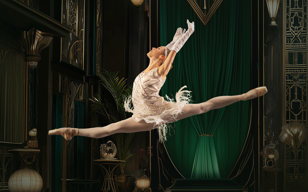
The Great Gatsby BIG Live The Great Gatsby
24 Mar - 11 Apr 2027Glasshouse TheatreExperience BIG Live’s The Great Gatsby, a reimagining of F. Scott Fitzgerald’s timeless classic into a full theatrical spectacle.
-

Strictly Gershwin Queensland Ballet Strictly Gershwin
9 to 23 Oct 2027Glasshouse TheatreStep into the glamour, romance and infectious energy of the Jazz Age as Strictly Gershwin returns to Queensland Ballet.
-

The Nutcracker Queensland Ballet The Nutcracker 2027
10 to 23 Dec 2027Glasshouse TheatreQueensland Ballet’s new production of The Nutcracker returns for its second festive season in 2027.
-

Live at Melbourne Street Green Live at Melbourne Street Green
Friday Evenings, From 5:30pmMelbourne Street GreenLive Acts. Local Talent. Free on Fridays. This is the perfect way to kickstart your weekend with a weekly program of free performances.
-

First Nations Storytelling: Caring for Country Workshop
Artists in ClassroomsTrevor Fourmile and Nadine McDonald-Dowd guide students in an exploration of storytelling as a dynamic and living cultural practice vital to First Nations and Torres Strait Islander stories.